The 1840, St George’s Gardens: Preserving a Legacy of Care, Community and Renewal
Heritage & Architecture
The 1840, St George’s Gardens: A Legacy Restored
From its beginnings as the pioneering Surrey County Asylum to its transformation into a landmark residential development, discover the rich history and enduring legacy of The 1840, St George’s Gardens.
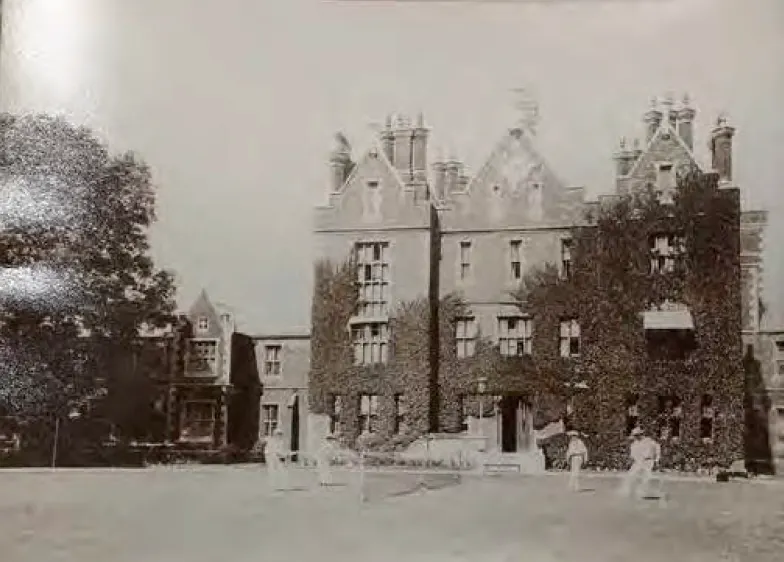
Set within expansive green surroundings in South West London, The 1840, St George’s Gardens is far more than a residential development, it is a site shaped by nearly two centuries of social change, innovation and human stories. Originally opened in 1841 as the Surrey County Asylum, it stands today as a powerful example of how heritage can be preserved, respected and thoughtfully transformed for modern living.
A Vision for Care in the 19th Century
The origins of The 1840 lie in a pivotal moment in British social history. In 1838, Surrey magistrates responded to growing pressure to provide structured care for those suffering with mental illness, purchasing nearly 100 acres of land at Springfield. At the time, many individuals lived in workhouses or on the streets, and the creation of purpose-built asylums reflected a shift toward more organised and humane care.
Designed in the Tudor style and opened in June 1841, the institution was carefully planned. Its layout featured long corridors, segregated wings and large “airing courts,” where patients could benefit from fresh air and rural views. Set within landscaped grounds, the environment was intended to support recovery, combining architecture, nature and routine.
Yet even in its early years, the realities of operating such a large institution were complex. Rapid expansion led to overcrowding, and essential resources such as water were often in short supply. At one point, the asylum relied on importing more than 30,000 gallons of water daily, a striking contrast to the name “Springfield,” inspired by a natural spring on the estate.
A Self-Sufficient Community
Beyond its primary function, the site developed into a remarkably self-sufficient community. The surrounding land supported orchards, kitchen gardens and farmland, much of it worked by patients as part of occupational therapy.
By the mid-20th century, the estate was producing significant quantities of food. A working farm housed cows, pigs and poultry, with dairy output reaching approximately 800 gallons of milk per week. Fruit from orchards and vegetables from the kitchen gardens helped sustain the residents, reinforcing the idea that purposeful work and connection to the land could play a role in wellbeing.
This integration of agriculture and care was pioneering for its time and adds another layer to the site’s rich and varied history.
Moments of Challenge and Controversy
Like many historic institutions, Springfield was not without controversy. One of its most notable incidents occurred in 1856, when a patient died following treatment ordered by the medical superintendent. The subsequent manslaughter trial, though ending in acquittal, cast a long shadow over the institution and highlighted the evolving understanding and limitations of mental health care at the time.
Such moments are an important part of the site’s history, reflecting broader societal attitudes and the gradual journey toward more compassionate, evidence-based approaches to treatment.
A Site of Wartime Significance
The role of the site shifted dramatically during the 20th century. During the First World War, the asylum was transformed into Springfield War Hospital, becoming a key centre for the treatment of soldiers suffering from neurological conditions, including what was then known as shell shock.
In the Second World War, the hospital again adapted to national need. With limited protective infrastructure, patients sheltered in basement areas during air raids. These difficult conditions led to outbreaks of disease, including a newly identified strain of dysentery, an unusual and little-known chapter in the site’s medical history.
Through both conflicts, the site demonstrated resilience and adaptability, contributing to the care of those affected by the pressures of war.
Innovation in Care and Changing Attitudes
Throughout its history, Springfield evolved alongside shifting medical and social perspectives. In 1897, a pioneering annexe was opened specifically for children with learning difficulties, reflecting a growing understanding of the need for specialised care. Influenced by figures such as Dr John Langdon Down, this development marked an important step toward separation and more tailored treatment.
The 20th century brought further changes. Advances in medicine, shifts in public policy and evolving attitudes toward mental health gradually reduced the need for large institutional settings. By the late 1900s, many such facilities were being closed or repurposed, as care moved toward community-based models.
Decline and Renewal
Like many historic hospital sites, Springfield entered a period of decline toward the end of the 20th century. Parts of the original buildings fell into disuse, and the main structure was eventually deemed unsuitable for modern healthcare needs.
However, rather than being lost to time, the site has been given a new future.
The restoration of The 1840 is rooted in a commitment to preserving its architectural character and historical significance. From its distinctive Tudor-style façade to its carefully considered landscape setting, the development retains the essence of its past while introducing high-quality homes designed for contemporary life.
A Legacy Reimagined
Today, The 1840, St George’s Gardens represents a sensitive balance between past and present. It is a place where history is not erased, but acknowledged, where stories of innovation, challenge and community remain embedded within the fabric of the buildings and the landscape.
From its origins as a pioneering institution to its role in wartime Britain and its transformation into a vibrant residential destination, the site continues to evolve.
This is more than a restoration, it is the continuation of a legacy.